Pep talk
The science behind peptides, and why NimCore® is committed to quality in every vial.
The breakdown
Start with the peptides your body already makes.
Peptides are short chains of amino acids, the same building blocks that make up proteins. Your body makes hundreds of them, and many carry signals between cells.

Amino acids
Amino acids are the building blocks of every protein in your body.

Peptides
Short chains of amino acids, from two up to a few dozen, are peptides. Longer chains fold into proteins.

Hormones
Your body makes hundreds of peptides. Many carry signals between cells, and some work as hormones.
Sources: PMID 18184105; PMID 16404746.
How peptides work
Many peptides are bioactive: they bind to receptors on cells and switch specific processes on or off.
Their exact amino acid sequence and structure determine what they do.

Meet NimCore® Peptides
Lab-made peptides are built one amino acid at a time, to an exact sequence.
Six peptides, compounded by Lake Hills Pharmacy, our collaborative 503A compounding pharmacy partner in Austin, Texas. A licensed clinician reviews your intake and decides whether a peptide is appropriate for you.
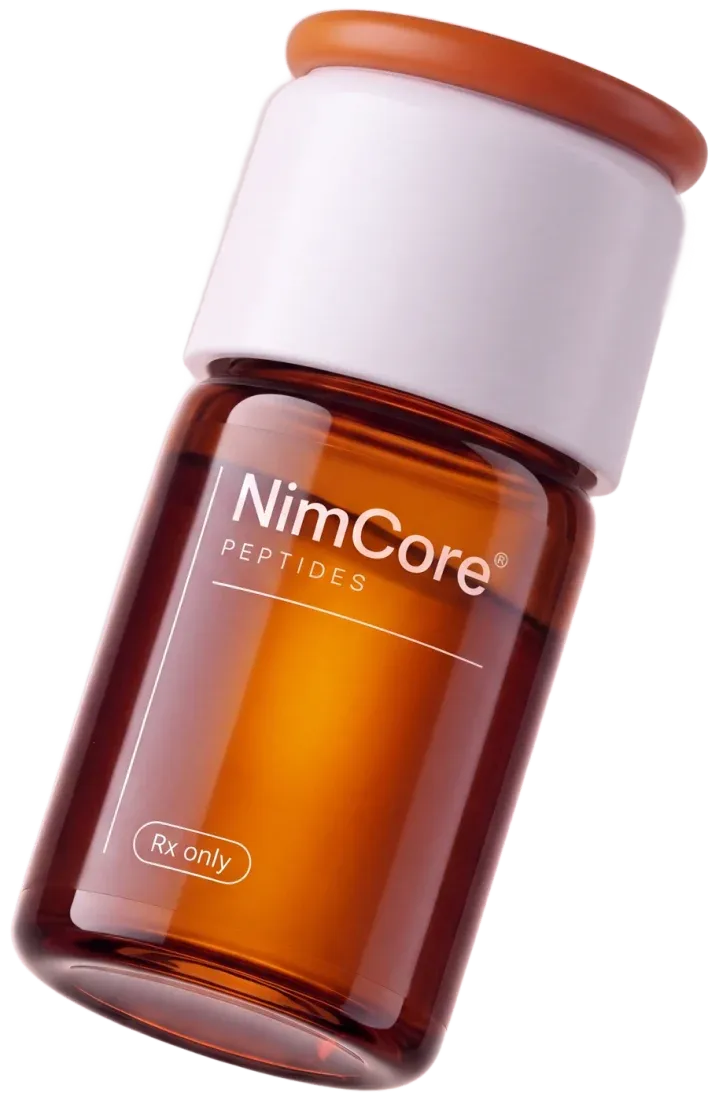
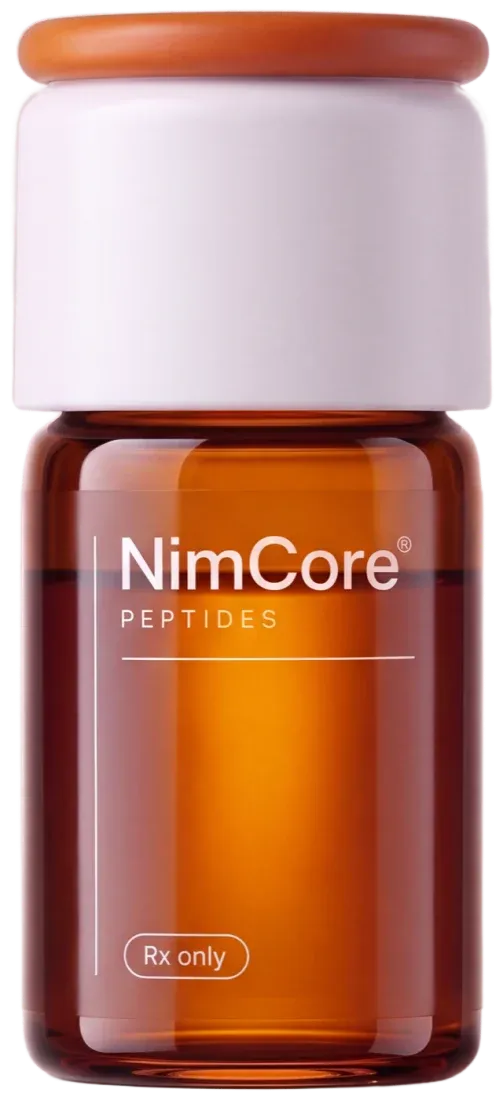
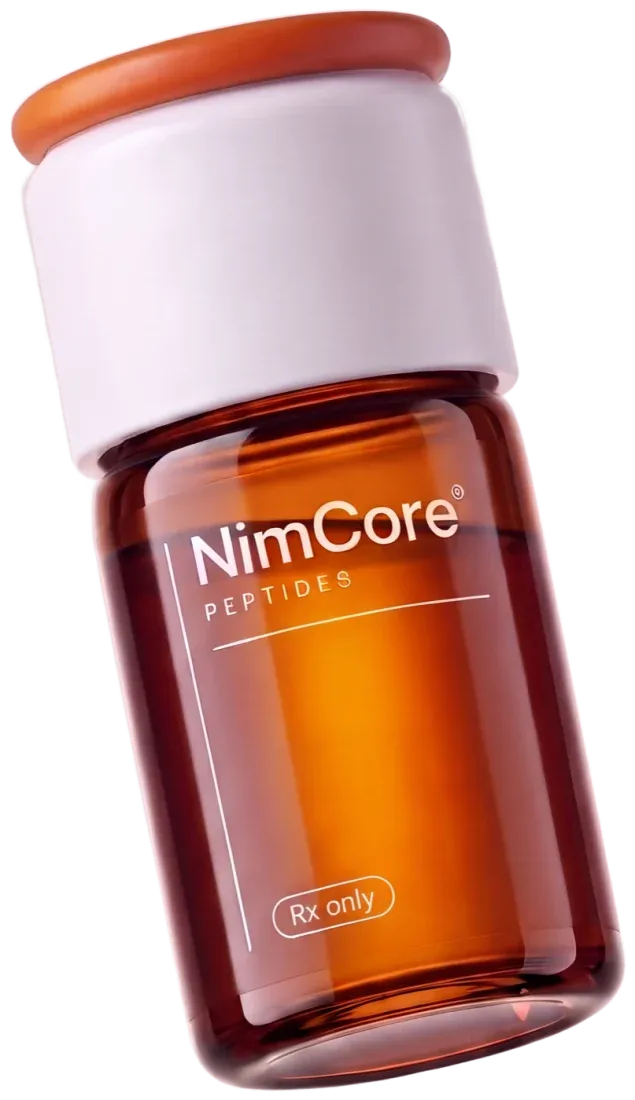
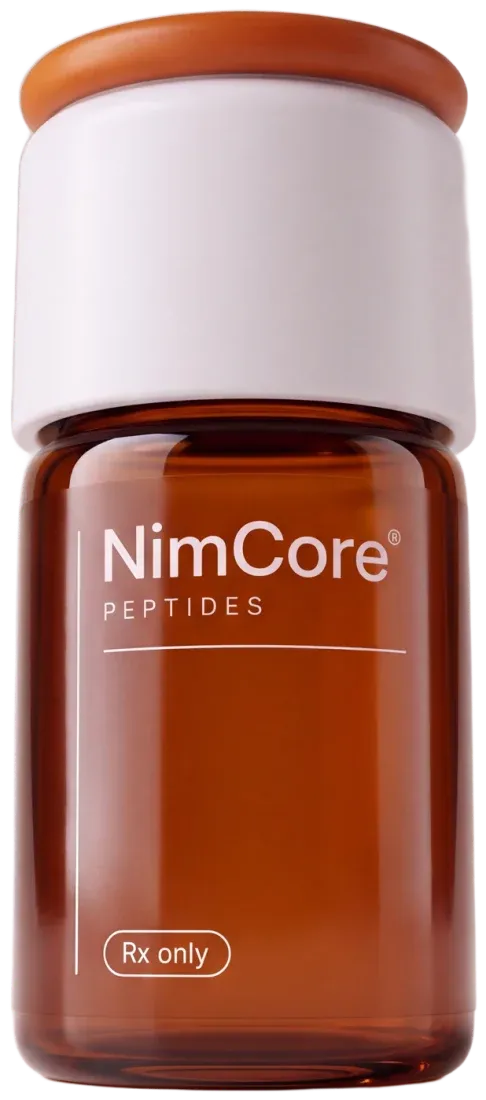
- Vials
- Capsules
- Nasal spray
Quality
Every NimCore® peptide is compounded by Lake Hills Pharmacy, our collaborative compounding pharmacy partner.
Active ingredients from FDA-registered facilities, a certificate of analysis for every one, and potency, sterility and endotoxin testing for injectables.
Six peptides. A licensed clinician decides.
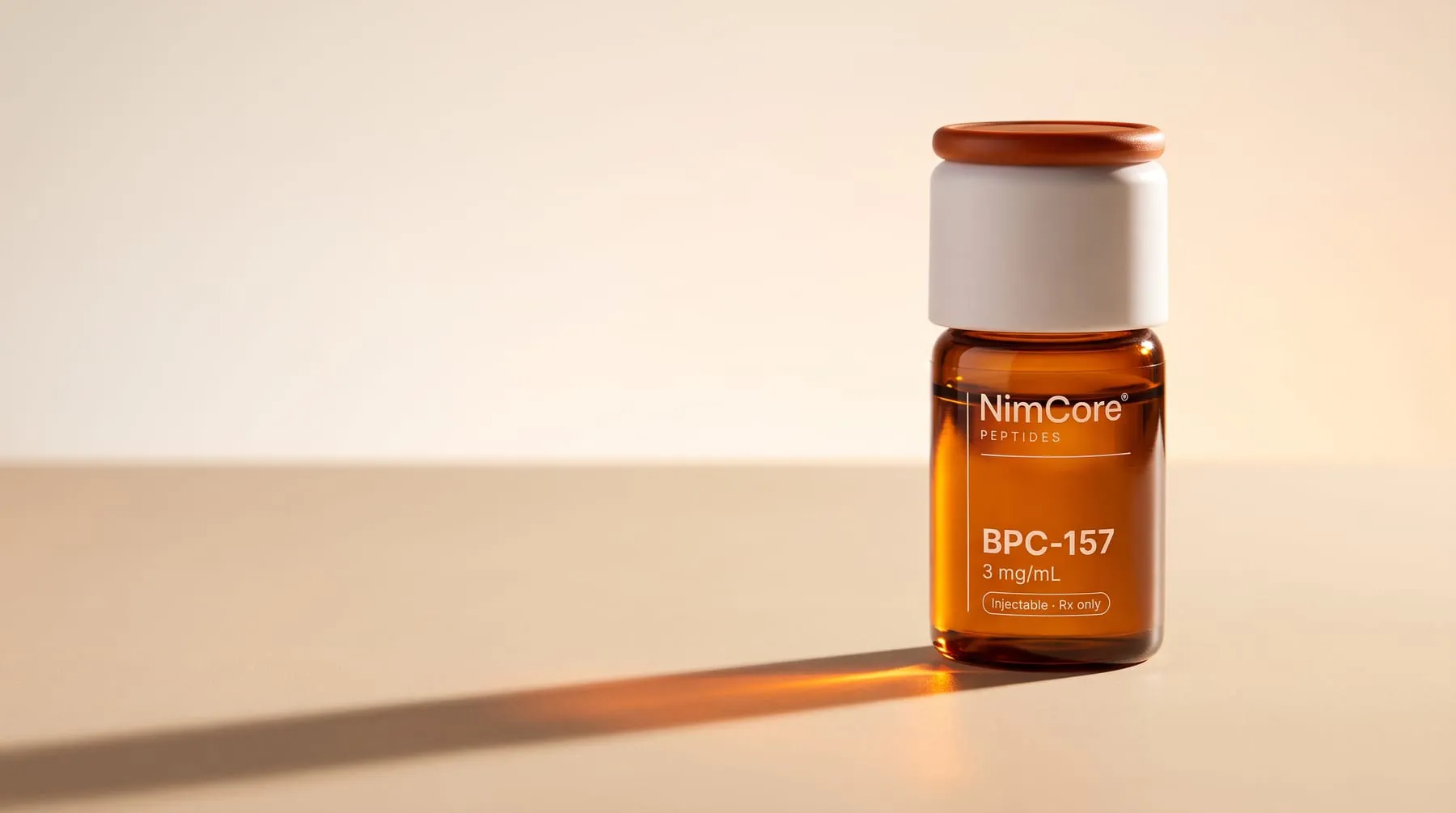
Start the intake for BPC-157
Injectable vial3 mg/mL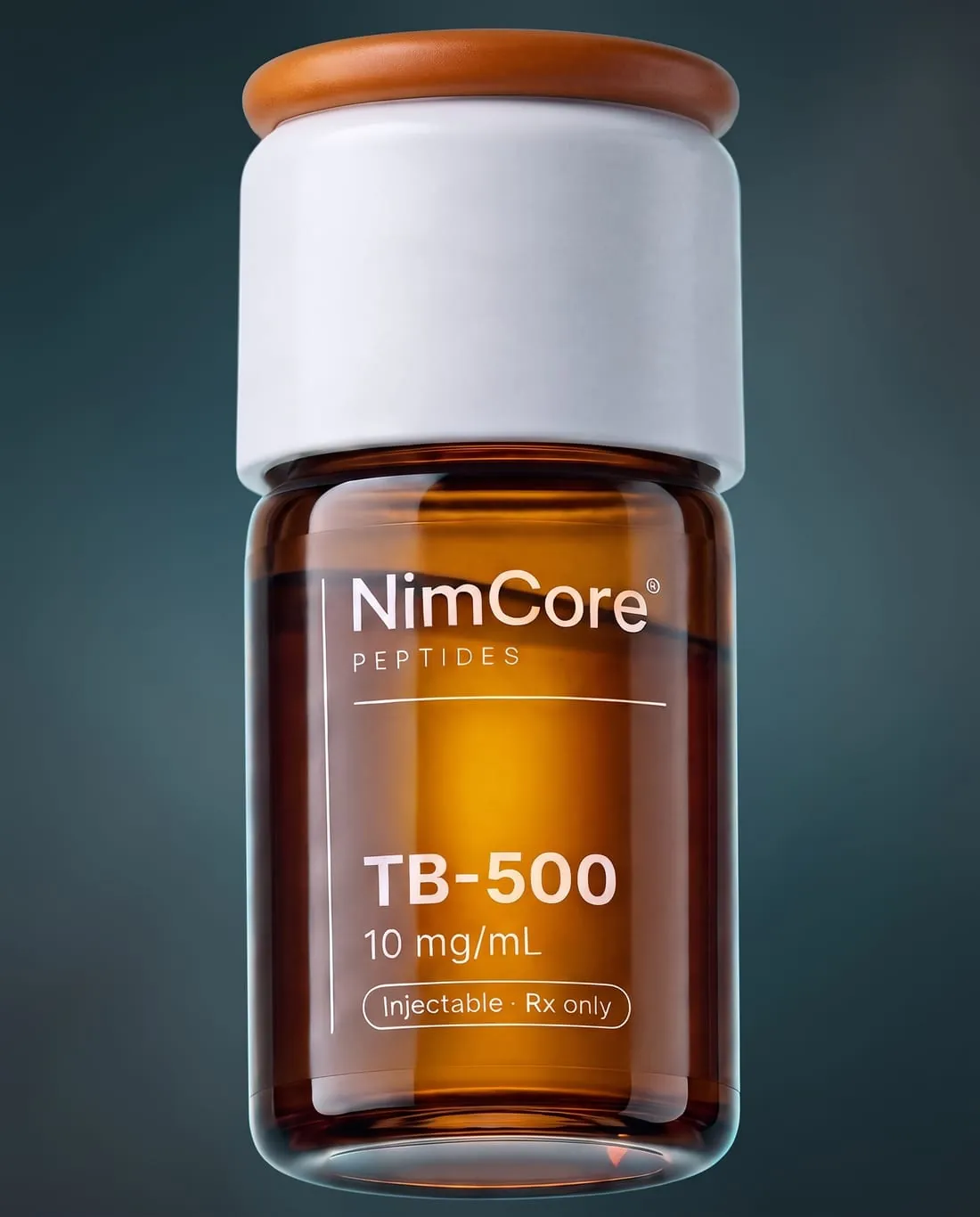
Start the intake for TB-500
Injectable vial10 mg/mL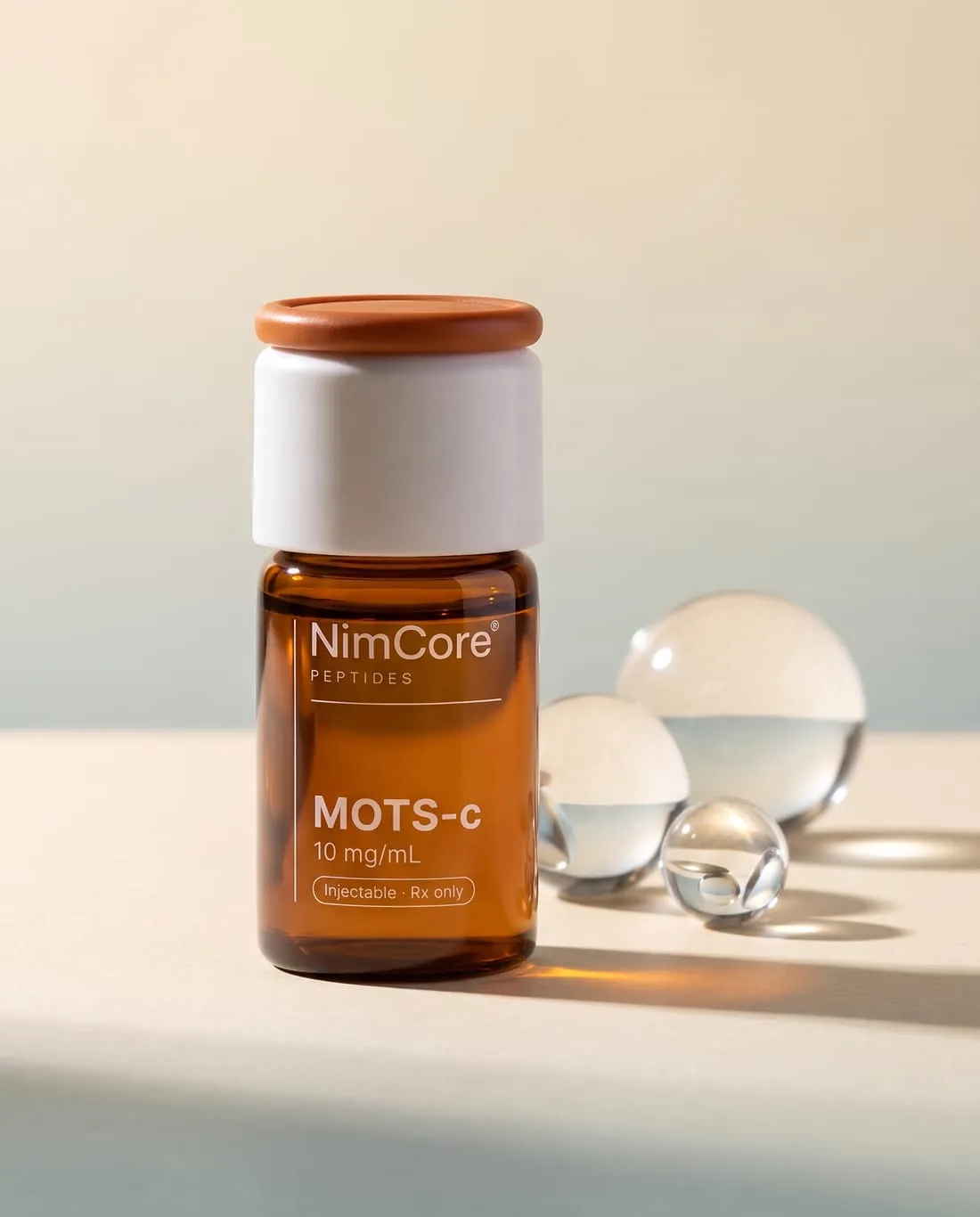
Start the intake for MOTS-c
Injectable vial10 mg/mL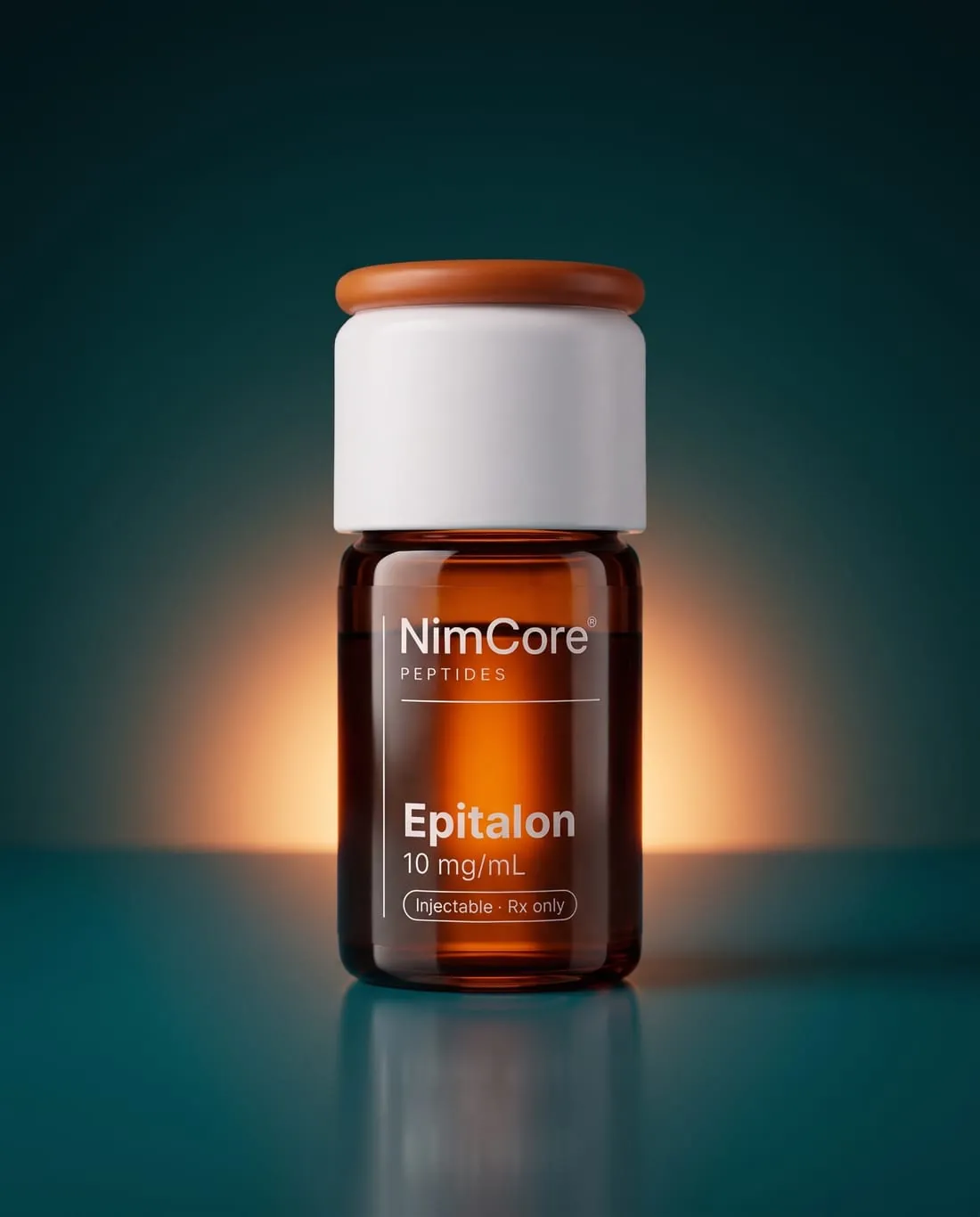
Start the intake for Epitalon
Injectable vial10 mg/mL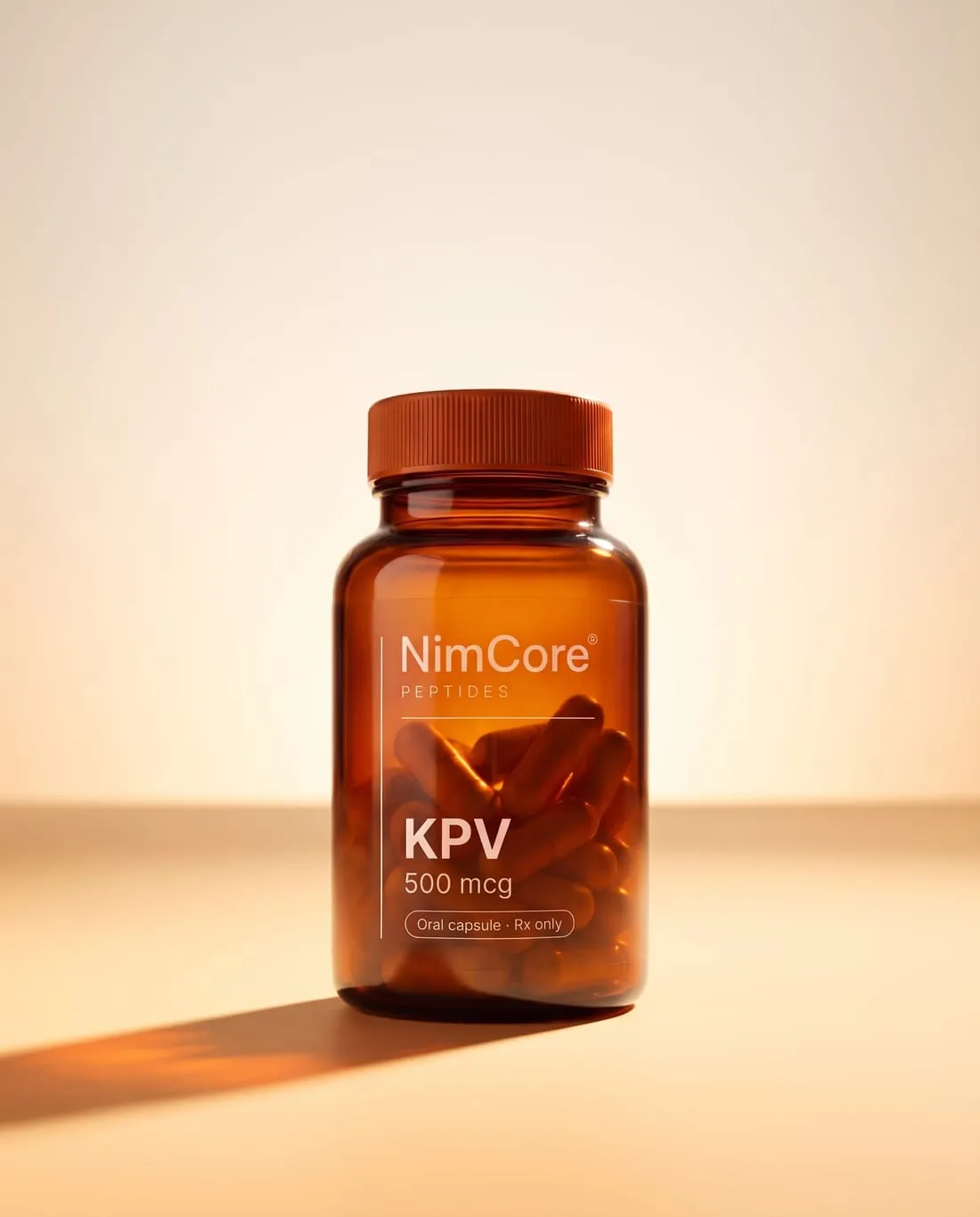
Start the intake for KPV
Oral capsule500 mcg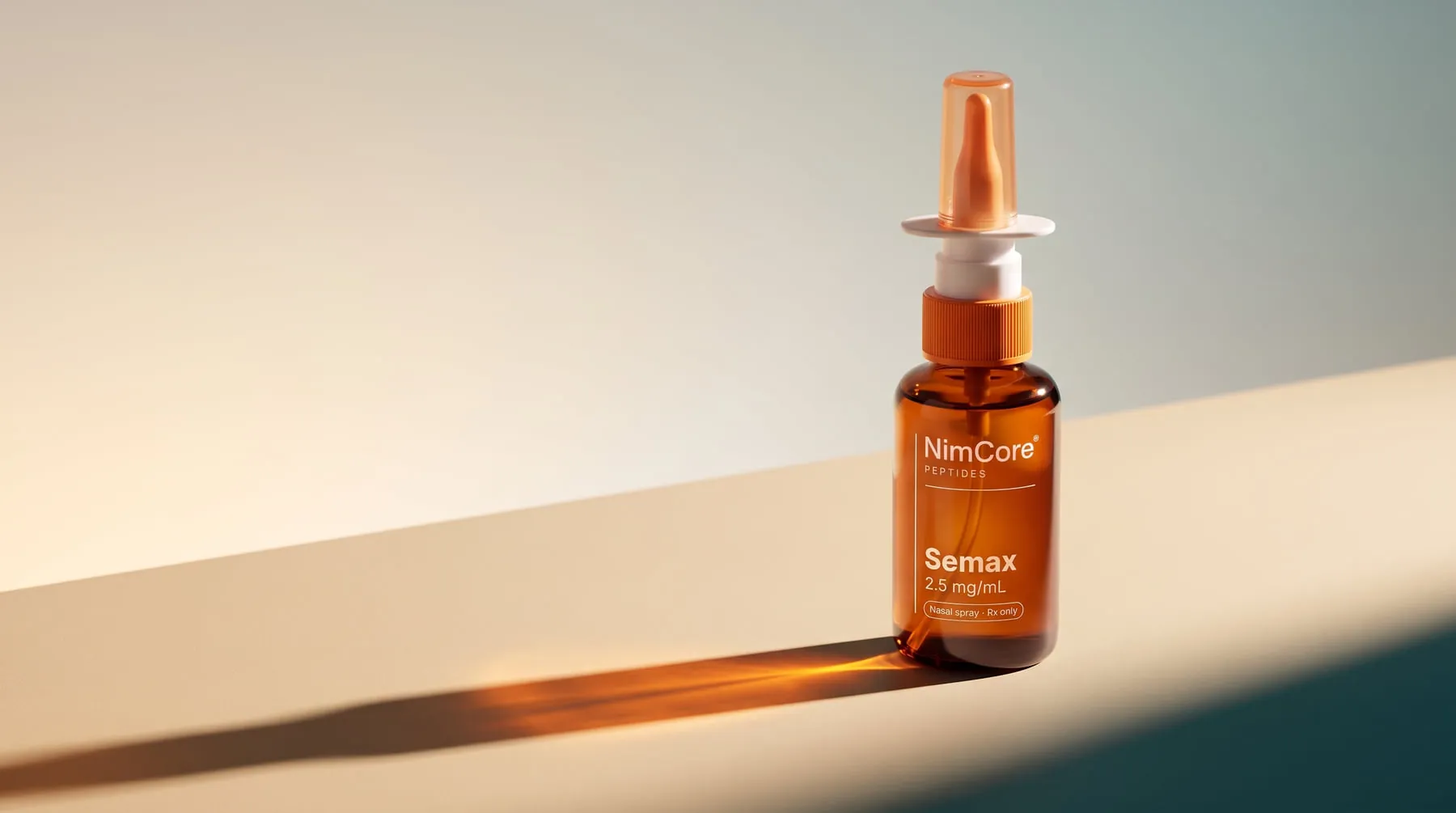
Start the intake for Semax
Nasal spray2.5 mg/mLCompounded medications are not FDA-approved or reviewed by FDA for safety, effectiveness, or quality. Prescriptions are issued only after evaluation by a licensed provider when clinically appropriate.
Each package price covers the medication and shipping.
Questions about peptides
What are peptides?
Peptides are short chains of amino acids, the same building blocks that make up proteins. Short chains are called peptides. Longer chains fold into proteins.
Does the body make its own peptides?
Yes. Your body makes hundreds of peptides. Many carry signals between cells, and some work as hormones.
What is the difference between a peptide and a protein?
Length and shape. A peptide is a short chain of amino acids, from two up to a few dozen. A protein is a longer chain that folds into a larger structure.
How do peptides work?
Many peptides are bioactive: they bind to receptors on cells and switch specific processes on or off. Their exact amino acid sequence and structure determine what they do.
What is a compounded peptide?
A compounded peptide is prepared by a licensed pharmacy for one patient, from a prescription written by a licensed clinician. NimCore® peptides are compounded by Lake Hills Pharmacy, our collaborative NABP-accredited 503A compounding pharmacy partner in Austin, Texas.
Which peptides does NimCore® offer?
Six: BPC-157, TB-500, KPV, MOTS-c, Epitalon and Semax. A licensed clinician reviews your intake and decides whether a peptide is appropriate for you.
Do I need a prescription?
Yes. A prescription is issued only if a licensed clinician decides the peptide is appropriate for you.